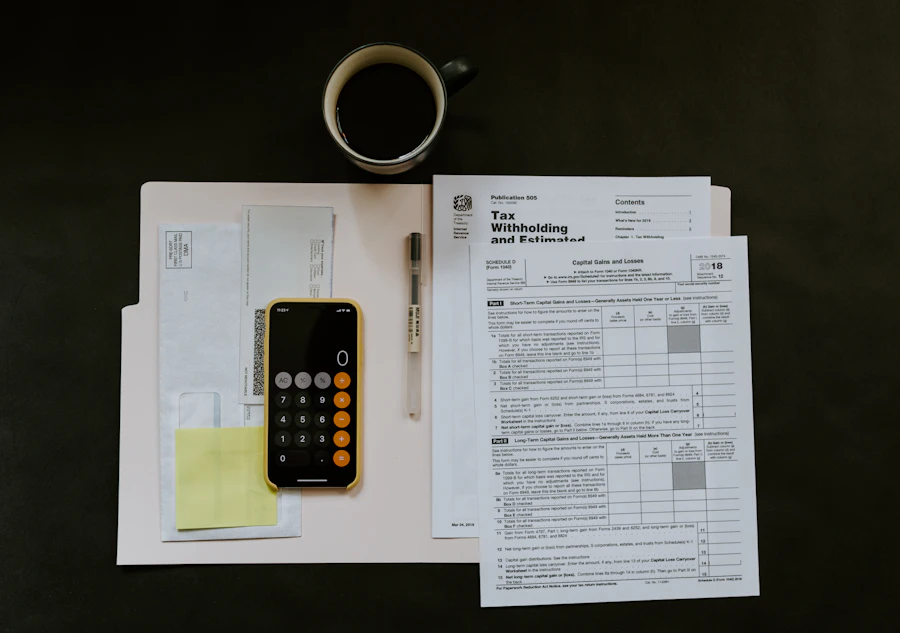
Mortgage forbearance
Forbearance temporarily pauses or reduces your mortgage payments because of hardship.
Missing four mortgage payments is serious, but it does not always mean the home is lost. Here are the practical options to review before foreclosure moves further.
What happens next
Missing one payment can feel stressful. Missing four can feel overwhelming. By the time you are roughly four months behind, your lender may begin foreclosure proceedings or issue a formal notice of default. But even at this stage, many homeowners still have options.
Timeline
Most lenders follow a general pattern when mortgage payments are missed, although the exact process depends on your loan, lender, state, and hardship situation.
Mortgage delinquency timeline graphic
| Timeline | What commonly happens |
|---|---|
| 1–15 days late | Late notices and possible fees |
| 30 days late | Credit reporting may begin |
| 60 days late | Collection calls and letters may increase |
| 90 days late | Account may be considered seriously delinquent |
| 120 days late | Foreclosure proceedings may begin |
Speak with your lender before the problem gets worse.
Can you still save the home?
Many homeowners avoid foreclosure after missing multiple payments because lenders often prefer a workout solution over a lengthy legal process.
Your options
The right option depends on your income, equity, hardship, loan type, and whether you want to keep or sell the home.
Forbearance temporarily pauses or reduces your mortgage payments because of hardship.
A loan modification permanently changes your loan terms to make the monthly payment more manageable.
Your lender may spread your missed payments over future months.
Refinancing after missed payments can be difficult, but it may still be possible in some situations.
Reinstatement means paying all overdue amounts in one lump sum.
Selling the property may help preserve your credit and protect remaining equity.
A short sale occurs when your lender agrees to accept less than the remaining mortgage balance to close the sale.
Bankruptcy may help delay or reorganise debt, depending on your situation.
Case studies
Maria lost her job and missed four mortgage payments totalling $9,200. She applied for mortgage forbearance, returned to work, resumed payments, and avoided foreclosure.
James experienced a longer-term medical income reduction. His lender lowered the interest rate, extended the loan term, and reduced the monthly payment.
Credit impact
Mortgage delinquencies can significantly lower a credit score. The impact depends on your starting score, credit history, and how the account reports.
| Delinquency | Possible credit impact |
|---|---|
| 30 days late | 50–100 points |
| 90+ days late | 100–200+ points |
Credit score drop illustration
Avoid these mistakes
Foreclosure scam warning graphic
Action plan
Do not wait for the situation to solve itself. Start with these practical steps.
Mortgage hardship action checklist for homeowners behind on payments.
Assistance programmes
Depending on your loan type and location, you may qualify for programmes that help struggling homeowners.
Government mortgage assistance resources.
At a glance
Forbearance, loan modification, repayment plan, reinstatement, or Chapter 13 bankruptcy may help.
Selling the home or pursuing a short sale may reduce damage and protect remaining equity.
A HUD-approved housing counsellor, attorney, or tax professional can help you compare choices.
Frequently asked mortgage assistance questions.
FAQ
Yes. Many lenders may begin foreclosure around 120 days delinquent, although the exact timeline depends on your loan, lender, and state law.
No. Several alternatives may still exist, including forbearance, loan modification, repayment plans, sale, short sale, or bankruptcy protection.
Yes. Contacting your servicer early may open up hardship options before the account moves further into foreclosure.
Yes. If there is enough time and equity, selling before foreclosure may help protect your credit and preserve remaining proceeds.
It depends. Bankruptcy is a legal decision and should be discussed with a qualified bankruptcy attorney before you act.

Final thoughts
Loan modifications, forbearance, repayment plans, selling, short sales, and bankruptcy protection may all be worth reviewing. The most important step is to act quickly before foreclosure progresses further.