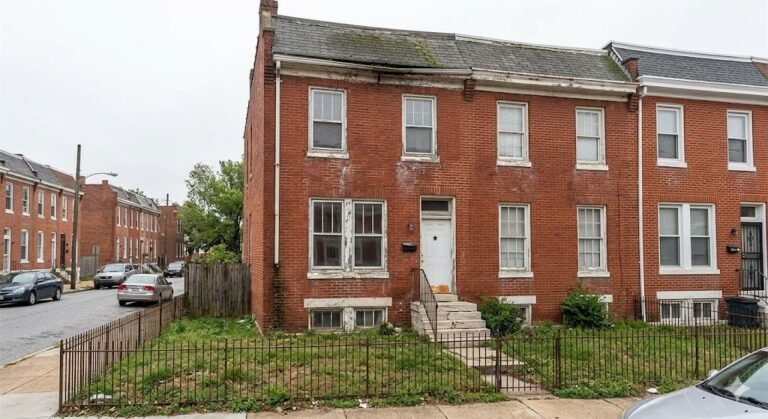
The Path to a Dignified Exit: Navigating Real Estate Distress
The Path to a Dignified Exit: Navigating Real Estate Distress
Real estate distress occurs when a property owner faces financial or legal hurdles that jeopardize their ownership. Navigating this landscape requires more than just financial acumen; it demands a strategy centered on a Dignified Property Exit. This approach focuses on preserving the owner’s creditworthiness, minimizing public record impact, and ensuring a transition that respects the individual’s long-term stability.
Featured Snippet: What is a Dignified Property Exit?
A Dignified Property Exit is a proactive real estate strategy designed to resolve property distress—such as pre-foreclosure, tax delinquency, or probate complications—by choosing liquidation methods that protect the owner’s credit score and legal standing. By utilizing professional property liquidation or negotiated settlements like a deed-in-lieu, owners avoid the long-term stigma and financial devastation of a public foreclosure auction.
Understanding the Landscape of Property Distress
As of recent market cycles, property distress is often triggered by ‘the three Ds’: Divorce, Debt, and Death (Probate). According to industry data, nearly 1 in every 4,000 households faces some level of foreclosure filing monthly. Identifying the signs early is the first step toward securing distressed property help before legal options narrow.
Common Indicators of Real Estate Distress
- Notice of Default (NOD): The formal start of the foreclosure process.
- Tax Liens: Unpaid property taxes that can lead to a state-mandated tax sale.
- Deferred Maintenance: Physical deterioration that makes a traditional retail sale impossible.
- Negative Equity: Owing more on the mortgage than the property’s current market value.
Comparative Analysis: Strategies for Property Liquidation
Choosing the right path depends on the owner’s timeline, the property’s condition, and the amount of equity remaining. Below is a comparison of common exit strategies.
| Strategy | Credit Impact | Timeline | Owner Control |
|---|---|---|---|
| Short Sale | Moderate (-50 to -150 pts) | 4-9 Months | High |
| Deed in Lieu | Moderate to High | 2-3 Months | Medium |
| Foreclosure | Severe (-200+ pts) | Variable | Zero |
| Direct Liquidation | None to Minimal | 7-21 Days | Very High |
The Benefits of Professional Property Liquidation
In cases of extreme urgency, property liquidation through an institutional buyer or specialized investment firm offers a streamlined alternative to the open market. This method bypasses the need for repairs, inspections, and appraisals, which are often the primary barriers for distressed owners. This is frequently the most reliable way to achieve a Dignified Property Exit when the foreclosure clock is ticking.
Steps to Navigating Property Distress Successfully
- Assess the Financial Reality: Gather all loan documents, tax statements, and lien notices.
- Evaluate Market Value: Obtain a current BPO (Broker Price Opinion) or appraisal to determine if equity exists.
- Consult a Specialist: Seek distressed property help from a real estate attorney or a certified distressed property expert (CDPE).
- Negotiate with Lenders: Lenders often prefer a settlement over the costly process of foreclosure.
- Execute the Exit: Whether through a short sale or a cash liquidation, ensure all legal paperwork is filed to release the owner from further deficiency judgments.
Frequently Asked Questions
Can I stop a foreclosure once it has started?
Yes. Options include loan modification, reinstatement, or selling the property through an accelerated liquidation process before the auction date.
What is a deficiency judgment?
A deficiency judgment is a court order allowing a lender to collect the remaining balance if a property sells for less than the mortgage amount. A Dignified Property Exit often includes negotiating a waiver of this judgment.
How does a short sale differ from a traditional sale?
A short sale requires the lender’s approval to accept less than the full balance owed, whereas a traditional sale only involves the buyer and seller.