Best Cash Home Buyers For Distressed Houses In DC
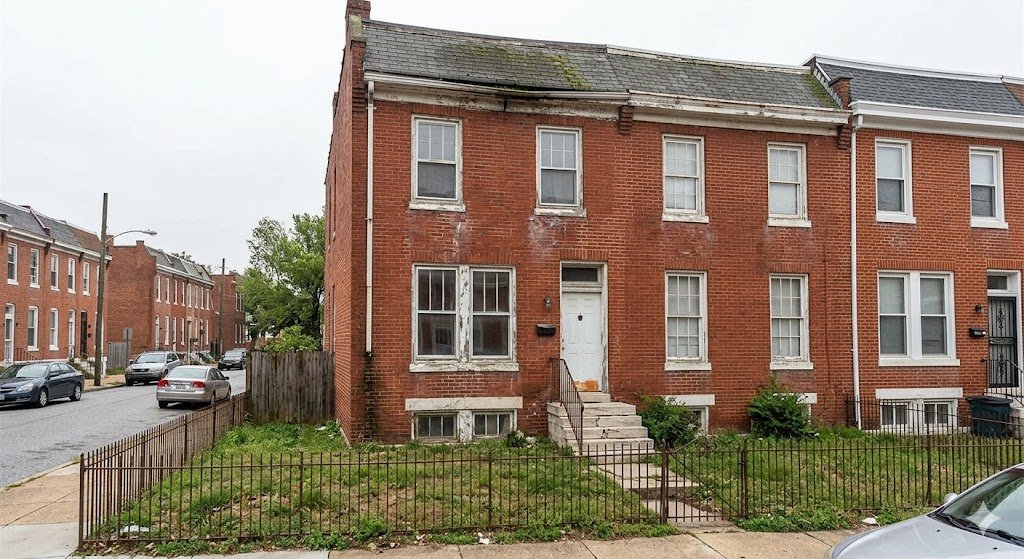
Introduction: Classic DC-Style Rowhouse (In Need of Repair)
Selling a distressed house in Washington, DC is not the same as selling a move-in-ready rowhouse with fresh paint and a cute front garden. Maybe the property has code issues, water damage, tenants, probate complications, a looming tax bill, or simply too many repairs to justify a traditional listing. In those cases, a cash buyer can be useful — but “best” depends on what you need most: speed, certainty, fewer repairs, or the highest possible net proceeds.
The DC market also has its own wrinkles. Sellers may still need to handle residential property disclosures, and DC vacant or blighted property rules can create real financial pressure if a house sits too long. DC’s disclosure law requires sellers to disclose actually known defects in areas such as water and sewer systems, including lead-related information, while the Department of Buildings notes that vacant and blighted properties can face higher tax rates and registration-related fines. (D.C. Law Library)
The quick answer: the best buyer depends on your situation
For most distressed DC homes, the strongest approach is not calling just one “we buy houses” company. It is getting two to four cash offers and comparing them against a realistic as-is listing estimate.
Here’s the practical breakdown:
| Seller situation | Best-fit cash buyer type | Why it works | Watch out for |
|---|---|---|---|
| Needs multiple offers fast | Cash-offer marketplace like Clever Offers, Houzeo Cash Offers, or HomeLight Simple Sale | More competition can help avoid accepting the first low offer | Some platforms connect you to investors rather than buying directly |
| House needs major repairs | Direct investor such as HomeVestors, Express Homebuyers, MarketPro, or a local DC buyer | They commonly buy as-is and can close quickly | Offers are often discounted because the buyer must price in repairs, risk, resale costs, and profit |
| Vacant, blighted, inherited, or hoarder property | Local experienced investor | Local buyers may understand DC permits, DOB issues, and neighborhood resale values better | Verify proof of funds and contract terms carefully |
| Wants speed but less hassle than investor hunting | National or regional cash buyer network | Streamlined process, fewer showings, flexible closing | Convenience usually costs equity |
| Wants highest sale price and can wait | As-is MLS listing with an investor-friendly agent | More exposure can bring retail buyers and investors | May require showings, inspections, negotiation, and more time |
Why distressed DC houses attract cash buyers
Cash buyers like distressed properties because many traditional buyers cannot or will not take them on. A house with structural issues, roof damage, outdated electrical, mold concerns, or unfinished renovations can scare off financed buyers because lenders and insurers may object. Investors, on the other hand, usually price the property around the “after repair value,” then subtract repair costs, holding costs, closing costs, risk, and their target profit.
That is why cash offers are usually lower than a traditional sale price. Houzeo’s 2026 DC cash-buyer guide, for example, lists typical offer ranges around 50% to 80% of fair market value, depending on the company and selling model. (Houzeo)
The tradeoff is simple: you give up some price in exchange for speed, certainty, and not doing repairs.
Best cash home buyer options for distressed houses in DC
1. Clever Offers — best for comparing multiple cash offers
Clever Offers is useful when you do not want to gamble on one investor’s number. Its DC guide says it vetted cash buyers in Washington, DC and highlights a marketplace model where sellers can compare multiple options. (Clever Offers™)
That matters because distressed-home pricing can vary wildly. One investor may see a teardown. Another may see a profitable cosmetic renovation. A third may want the lot, the zoning, or the rental potential. Multiple offers help reveal the spread.
Best for: sellers who want cash-offer convenience but still want competition.
Not ideal for: sellers who only want to deal with one direct buyer from start to finish.
2. Houzeo Cash Offers — best for maximum exposure to cash buyers
Houzeo’s DC cash-buyer rankings place Houzeo Cash Offers and Clever Offers among the top options and describe a model built around exposing the property to multiple cash buyers. Its table lists Houzeo Cash Offers around 70% to 80% of fair market value, with no service fee and a closing timeline as fast as seven days. (Houzeo)
For a distressed DC house, this can be helpful if the property still has strong location value — for example, a dated rowhouse in Petworth, Brookland, Capitol Hill, Trinidad, Brightwood, or Congress Heights where investors are actively renovating.
Best for: sellers who want more investor visibility.
Not ideal for: sellers who want a guaranteed direct purchase from the platform itself.
3. HomeVestors / We Buy Ugly Houses — best-known brand for as-is homes
HomeVestors, better known through the “We Buy Ugly Houses” brand, markets directly to Washington, DC sellers and says it buys homes in as-is condition. (HomeVestors)
The upside is brand recognition and a simple process. The downside is that franchise-based investor models can vary by local operator, so the experience and offer quality may depend on who handles your property.
Best for: sellers who want a recognizable company and a straightforward as-is sale.
Not ideal for: sellers who are trying to squeeze out every last dollar of equity.
4. Express Homebuyers — best for very fast, as-is sales
Express Homebuyers says it buys houses directly in Washington, DC, pays cash, buys as-is, and can usually close within seven days. (Express Homebuyers)
That makes it a strong fit for urgent situations: inherited houses, foreclosure pressure, fire damage, vacant homes, or properties where the owner lives out of state and cannot manage repairs.
Best for: speed and simplicity.
Not ideal for: sellers who have time to test the open market.
5. MarketPro Homebuyers — best regional option for distressed DC-area homes
MarketPro Homebuyers markets to Washington, DC sellers with dated or distressed homes and says it buys as-is with no fees, charges, or commissions. (MarketPro Homebuyers)
A regional buyer can be useful because DC is block-by-block. Renovation math in Anacostia is not the same as renovation math in Shaw, and a buyer who knows local comps, permits, and resale demand may make a cleaner offer.
Best for: sellers who want a DC-area investor familiar with the region.
Not ideal for: sellers who want a broad marketplace of competing offers.
6. Local DC cash buyers — best when the house has unusual problems
Local companies such as DC Home Buyer, Capitol Cash Offer, and Consistent Home Buyers market directly to DC, Maryland, and Virginia homeowners and emphasize fast, no-repair cash sales. (DC Home Buyer)
Local buyers can be especially helpful for properties with messy realities: old permits, illegal units, title issues, tenant problems, estate complications, or serious deferred maintenance. The key is verification. Ask for proof of funds, recent DC closings, references, and the name of the title company.
Best for: complicated distressed houses where local experience matters.
Not ideal for: sellers who are uncomfortable vetting smaller companies.
What makes DC different from nearby Maryland or Virginia?
DC has a few local issues that can change the value of a distressed house.
First, disclosure rules still matter. Selling “as-is” does not automatically erase your responsibility to disclose known problems. DC law specifically addresses residential real property disclosure requirements. (D.C. Law Library)
Second, vacant and blighted properties can become expensive to hold. DC’s Department of Buildings says vacant properties can be taxed at a Class 3 rate of 5%, while blighted properties can be taxed at a Class 4 rate of 10%. DOB also says failure to register a vacant or blighted building can lead to fines of $1,000, $2,500, and $5,000 each year for each offense. (DC Department of Buildings)
Third, cash activity remains meaningful in the DC region. Axios reported that 23.1% of homes in the Washington, DC region were purchased with cash in 2024, showing that cash buyers are not rare here. (Axios)
Mini calculator: should you take the cash offer?
Use this simple comparison before signing anything:
Estimated as-is market sale price
minus agent commissions
minus seller closing costs
minus repairs or repair credits
minus holding costs
minus time/risk discount
= realistic net from listing
Now compare that with:
Cash offer
minus any fees
minus seller-paid closing costs
minus liens, taxes, or payoffs
= realistic net from cash sale
The highest offer is not always the best offer. The best offer is the one that gives you the strongest net number, cleanest terms, and lowest chance of falling apart.
Red flags to avoid
A legitimate cash buyer should not pressure you into signing on the spot, hide assignment language, refuse to provide proof of funds, ask you to pay strange upfront fees, or discourage you from talking to a title company or attorney.
Be extra careful if you are facing foreclosure or financial stress. The FTC warns consumers to be cautious around housing-related scams and unexpected offers that promise easy fixes. (Federal Trade Commission)
A safe rule: never sign a contract you do not understand, and never accept a verbal promise that is not written into the agreement.
Interactive checklist: before choosing a DC cash buyer
Use this as your quick decision tool:
Get at least three offers. One direct investor, one marketplace offer, and one local buyer is a good mix.
Ask for proof of funds. A real cash buyer should be able to show they can close.
Compare net proceeds, not headline price. Closing costs, fees, credits, and deductions matter.
Check the inspection clause. Some buyers offer high, inspect later, then reduce the price.
Confirm who is buying. Is the company closing directly, assigning the contract, or wholesaling the deal?
Use a reputable DC title company. Do not let the buyer avoid normal settlement procedures.
Check DC-specific issues. Vacant registration, DOB violations, TOPA concerns if tenants are involved, unpaid taxes, liens, and title defects can all affect timing.
Suggested images for the blog post
Use one exterior image of a classic DC rowhouse in need of repairs near the introduction. Add a simple flowchart graphic after the buyer comparison table showing: Request offers → Verify funds → Compare net → Review contract → Close. Near the checklist, include a photo of a seller reviewing paperwork at a kitchen table to reinforce the “read before signing” message.
Final verdict
The best cash home buyer for a distressed house in DC is usually the one that gives you a fair net price, proof they can close, transparent terms, and enough flexibility to handle your property’s specific problems.
For most sellers, start with a marketplace like Clever Offers or Houzeo Cash Offers to create competition. Then compare those numbers against direct buyers like HomeVestors, Express Homebuyers, MarketPro Homebuyers, and reputable local DC investors. If the property is severely distressed, vacant, blighted, inherited, or tangled in paperwork, a local experienced buyer may be worth a slightly lower offer because they can actually get the deal closed.
Cash buyers are not automatically bad, and they are not automatically the best choice either. They are a tool. Used carefully, they can turn a stressful DC property into a clean exit. Used hastily, they can leave real money on the table.
Topic: Best Cash Home Buyers for Distressed Houses in DC — what to compare, who fits which situation, and how to protect your equity