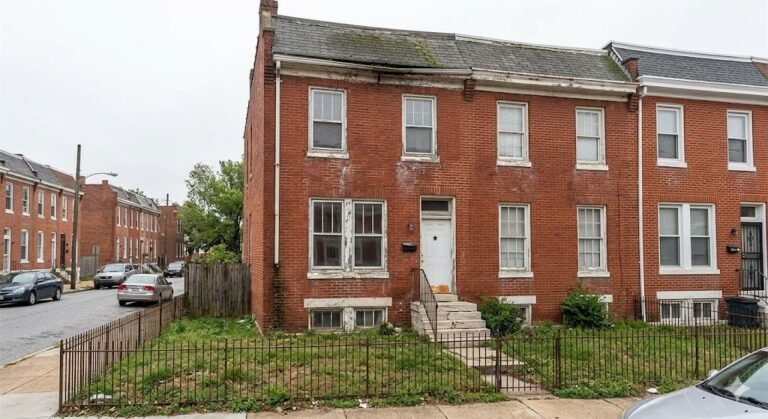
Understanding Your Options: A Guide to Transitioning Out of Debt
Understanding Your Options: A Guide to Transitioning Out of Debt
As of early 2026, household debt in the United States has reached a historic peak of $18.8 trillion, according to Federal Reserve data. With mortgage balances climbing to $13.2 trillion and credit card debt hovering at record highs of $1.25 trillion, many homeowners are searching for a way to break the cycle of high-interest obligations. Transitioning out of debt is not merely about making payments; it is a strategic process that often involves restructuring assets through Financial rebirth real estate initiatives.
Featured Snippet: What is a Debt Transition?
A debt transition is a managed financial strategy that moves an individual from a state of insolvency or high-interest distress to a stable, manageable financial position. This process typically involves a Transition Specialist who coordinates between lenders, real estate markets, and credit agencies to provide distressed property help and asset liquidation, facilitating a sustainable “financial rebirth.”
The Role of a Transition Specialist in Your Recovery
Navigating the complexities of foreclosure, short sales, and debt settlement requires more than just a standard real estate agent. A Transition Specialist acts as a bridge between your current financial crisis and your future stability. These professionals possess the specific expertise required to analyze debt-to-income ratios and identify the most efficient exit strategies for underwater properties.
- Expert Negotiation: Interfacing with lenders to secure favorable terms for short sales or deed-in-lieu of foreclosure.
- Asset Strategy: Determining if a property can be salvaged through refinancing or if a strategic exit is the fastest path to recovery.
- Emotional Support: Managing the high-stress environment of financial restructuring with empathy and professional distance.
Finding Distressed Property Help: Your Strategic Pathways
When a mortgage becomes a burden rather than an investment, homeowners must act quickly. Current statistics show that mortgage delinquency transitions into serious delinquency (90+ days) have accelerated to 1.5% in 2026. Securing distressed property help early can prevent the long-term credit damage associated with a formal foreclosure.
Comparison of Exit Strategies
| Option | Credit Impact | Timeframe | Key Benefit |
|---|---|---|---|
| Short Sale | Moderate to High | 4–9 Months | Wipes out deficiency balance |
| Deed-in-Lieu | High | 2–4 Months | Avoids public auction process |
| Loan Modification | Low to Moderate | 3–6 Months | Home retention |
Achieving a Financial Rebirth Through Real Estate
The concept of Financial rebirth real estate is rooted in the belief that property should be a tool for wealth, not a cage of debt. For those facing extreme insolvency, liquidating a high-equity property to pay off unsecured credit card debt can provide the necessary liquidity to start fresh. While losing a home is difficult, the resulting “clean slate” allows for a faster rebuild of the credit score, often allowing for a new home purchase within two to three years post-transition.
Frequently Asked Questions
Q: How long does a short sale stay on my credit?
A: Generally, a short sale will remain on your credit report for seven years, though its impact diminishes significantly after the first 24 months.
Q: Can a Transition Specialist help if I’m already in foreclosure?
A: Yes. Even if a foreclosure has been filed, a specialist can often negotiate a stay or a last-minute short sale to mitigate damages.
Q: Is “financial rebirth real estate” a real legal term?
A: It is an industry term used by recovery experts to describe the process of using real estate assets to achieve a total financial restructuring and fresh start.